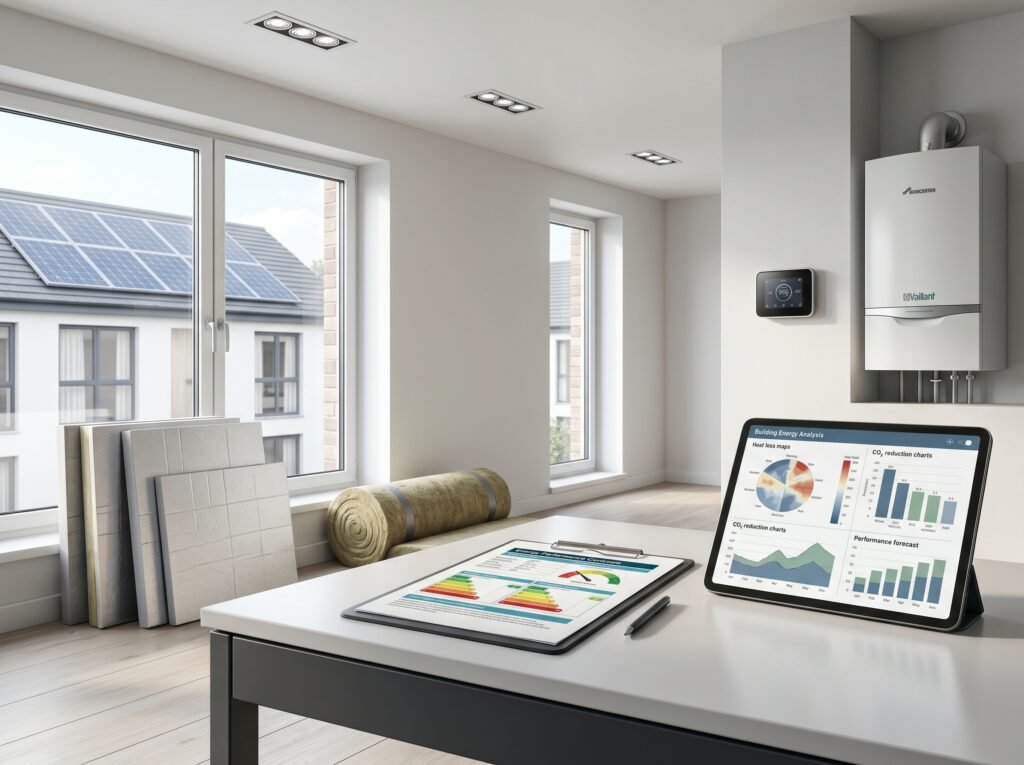
In today’s world, energy efficiency is no longer just a matter of reducing bills—it’s a step toward a more sustainable and eco-friendly future. For homeowners, landlords, and property developers, improving a property’s Energy Performance Certificate (EPC) rating has become one of the most effective ways to achieve this goal.
But what is an EPC rating, and how can you improve it? The EPC rating measures the energy efficiency of a building and provides recommendations to help you lower your energy usage, reduce costs, and decrease your carbon footprint. With rising energy prices and increasing concerns about the environment, now is the perfect time to enhance your property’s EPC rating.
In this blog post, we’ll dive into practical steps and expert tips to help you improve your EPC rating, save on energy costs, and ensure your property is ready for a sustainable future.
What is an EPC Rating?
Before diving into the specifics of improving your EPC rating, it’s important to understand what it is. An Energy Performance Certificate (EPC) provides an assessment of a building’s energy efficiency. It rates properties on a scale from A to G, where A represents the most energy-efficient buildings, and G represents the least efficient.
The certificate also includes:
- Current and Potential Energy Rating: Shows the building’s current energy efficiency and the potential rating with recommended improvements.
- Recommendations for Improvement: Practical steps that can boost your rating, such as upgrading insulation or installing energy-efficient heating systems.
- Estimated Energy Costs: An estimate of how much it costs to heat and power the building annually.
Having a high EPC rating not only saves you money on energy bills but also makes your property more attractive to potential buyers or renters, as energy-efficient homes are increasingly in demand.
Why Should You Improve Your EPC Rating?
Improving your property’s EPC rating isn’t just about compliance—there are real benefits for property owners, tenants, and the environment. Here are some key reasons to boost your rating:
1. Reduce Your Energy Bills
The primary benefit of improving your EPC rating is the potential for significant savings on energy bills. By investing in energy-efficient measures, you’ll reduce the amount of energy your home or building uses, which directly translates to lower electricity and heating costs.
2. Increase Property Value
Properties with higher EPC ratings are often more appealing to potential buyers or tenants. A good EPC rating indicates lower running costs, making your property more attractive in a competitive market. A higher rating can even increase the overall value of your property.
3. Meet Legal Requirements
As of 2025, all private rental properties in the UK must meet a minimum EPC rating of E. In some cases, you may face fines or be unable to rent out your property if it doesn’t meet the required standard.
4. Environmental Impact
Improving your EPC rating helps reduce your property’s carbon footprint, contributing to the UK’s efforts to combat climate change. By making energy-efficient upgrades, you’re not only saving money but also playing a part in protecting the environment.
Practical Steps to Improve Your EPC Rating
Now that you understand the importance of improving your EPC rating, let’s look at the specific steps you can take to achieve a better score. Here are some of the most effective improvements you can make:
1. Insulate Your Property
One of the most cost-effective ways to improve your EPC rating is by adding insulation to your property. Insulation reduces heat loss, making it easier to maintain a comfortable temperature without using as much energy. There are several areas to consider:
- Loft Insulation: A poorly insulated loft can account for up to 25% of heat loss. Installing high-quality loft insulation is one of the most effective ways to improve your rating.
- Wall Insulation: Cavity wall insulation can prevent heat from escaping through gaps in the walls, while solid wall insulation works for older properties.
- Floor Insulation: Insulating floors, especially in unheated spaces like basements, can further reduce heat loss.
2. Upgrade Your Heating System
Upgrading to an energy-efficient heating system is a major step towards improving your EPC rating. Consider the following options:
- Condensing Boilers: These boilers use less energy than traditional ones, making them a great choice for improving efficiency.
- Heat Pumps: Air-source or ground-source heat pumps are highly energy-efficient systems that extract heat from the air or ground to heat your property.
- Smart Thermostats: Installing a smart thermostat allows you to control your heating more effectively, ensuring energy is only used when necessary.
3. Install Double or Triple Glazing
Windows are another area where energy loss can occur. Double or triple glazing provides better insulation than single-glazed windows, preventing heat from escaping during colder months. Upgrading your windows to more efficient models can improve your EPC rating and reduce your heating bills.
4. Switch to Energy-Efficient Lighting
Replacing standard lightbulbs with energy-efficient LED bulbs can reduce electricity consumption. This is an easy and affordable upgrade that can boost your EPC rating.
5. Consider Renewable Energy Solutions
Integrating renewable energy sources into your property can have a significant impact on your EPC rating. Solar panels, for example, can generate electricity for your property, reducing reliance on the grid. In some cases, this can even push your EPC rating up into the A or B range.
6. Improve Draught Proofing
Draughts can lead to substantial heat loss, so addressing gaps around windows, doors, and other openings can make a noticeable difference. Adding draught-proofing strips or upgrading your doors and windows can help keep the warmth in.
Comparison Table: EPC Rating Improvements vs. Energy Savings
| Improvement | Potential Energy Savings | Cost of Improvement | EPC Rating Boost |
| Loft Insulation | 20-25% reduction in heating costs | £200-£500 | +1-2 |
| Wall Insulation | 25-30% reduction in heating costs | £400-£1,000 | +1-2 |
| Smart Thermostat | 10-15% reduction in heating costs | £100-£250 | +1 |
| Double Glazing | 15-20% reduction in heating costs | £300-£1,200 | +1-2 |
| LED Lighting | 5-10% reduction in electricity costs | £50-£150 | +0.5 |
| Solar Panels | 30-50% reduction in electricity costs | £4,000-£8,000 | +2-3 |
FAQs (Frequently Asked Questions)
1. How much does it cost to improve an EPC rating?
The cost of improving an EPC rating depends on the changes you make. For example, loft insulation can cost £200-£500, while installing solar panels can range from £4,000-£8,000. The cost will vary based on your property’s size and current energy efficiency.
2. How long does an EPC rating last?
An EPC is valid for 10 years from the date of issue. However, if you make significant improvements to your property, it’s a good idea to have a new EPC assessment to reflect those changes.
3. What is the minimum EPC rating required for renting out a property?
As of 2025, the minimum EPC rating for rental properties in the UK is E. If your property falls below this rating, you will need to make improvements before renting it out.
4. Can I improve my EPC rating by installing solar panels?
Yes, installing solar panels is one of the most effective ways to improve your EPC rating. Solar panels reduce your reliance on grid electricity, which lowers your energy consumption and carbon footprint.
5. How can I check my property’s EPC rating?
You can check your property’s EPC rating by accessing your certificate through the official government website or by hiring an accredited energy assessor to conduct a new assessment.
6. Do EPC ratings affect property value?
Yes, properties with higher EPC ratings tend to sell for more and are more attractive to potential buyers or renters. A high EPC rating indicates lower energy bills and a more comfortable living environment, both of which are appealing to buyers.
7. What improvements can I make to achieve a higher EPC rating?
Key improvements include upgrading insulation, installing energy-efficient heating systems, double-glazing windows, and switching to renewable energy sources like solar panels.
Conclusion
Improving your EPC rating not only helps you save on energy costs but also contributes to a greener, more sustainable future. Whether you’re a homeowner, landlord, or property developer, taking steps to boost your EPC rating can lead to significant financial and environmental benefits.
At The Prime EPC, we specialise in providing expert advice and services to help you improve your property’s energy efficiency. Our accredited assessors are here to guide you through the process and recommend the best improvements for your property.
Contact us today to get your EPC assessment and start saving on energy costs!